You know, there’s nothing quite like the feeling of getting your hands dirty with computer hardware. I mean, we’ve all been there, right? That frustrating moment when your system decides to call it quits, leaving you staring at a blank screen or a dreaded error message.
But what if you could not only understand *why* it happened but actually fix it yourself? The demand for practical hardware maintenance skills is soaring, whether you’re aiming for an industry certification like CompTIA A+ or just want to be the go-to tech hero among your friends and family.
Even with the rise of AI-powered diagnostics and remote support, which are definitely changing the game, the core ability to physically troubleshoot and maintain your machines remains absolutely indispensable.
It’s truly empowering to breathe new life into a struggling device or prevent issues before they even start. Trust me, the satisfaction is immense, and it’s a skill set that will always keep you relevant in our ever-evolving digital landscape.
So, are you ready to become the hardware hero your tech needs? Let’s find out exactly how!
Demystifying the Inside: Your First Steps into Computer Anatomy
You know, for the longest time, I felt completely intimidated by the tangled mess of wires and circuit boards inside my PC case. It just looked like a foreign language to me!
But honestly, once you pluck up the courage to open that side panel and take a peek, it’s not nearly as scary as it seems. It’s like looking under the hood of a car; once you start identifying the major parts, suddenly everything makes a bit more sense.
My first real dive into hardware was trying to figure out why my old gaming rig kept freezing, and that forced me to get intimate with every component.
What I quickly realized is that understanding the basic layout and function of each piece is like having a secret superpower. It’s the foundation for everything else, from diagnosing a frustrating issue to planning your next big upgrade.
Don’t be afraid to take photos as you go, label cables, or even draw a rough diagram. Trust me, that little bit of planning makes a world of difference when you’re putting everything back together.
It’s a journey of discovery, and every time I learn something new about how these intricate parts work together, I feel a genuine thrill. It truly transforms you from a passive user to an active participant in your machine’s well-being.
Getting Acquainted with Your Motherboard
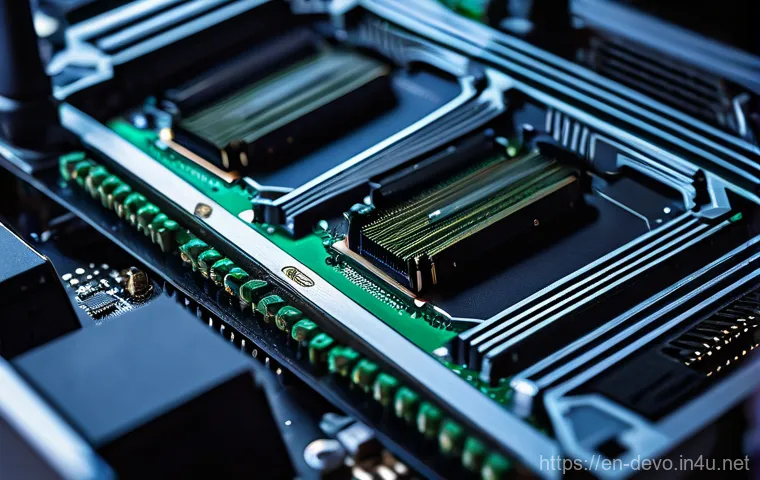
Think of your motherboard as the nervous system of your computer. It’s the giant circuit board that everything else plugs into, allowing all your components to communicate with each other.
When I first started messing around inside my PC, I was overwhelmed by all the slots and connectors. But over time, I learned to identify the big players: the CPU socket right in the middle, surrounded by RAM slots, the long PCIe slots for your graphics card and other expansion cards, and then all those little ports for storage drives, USB headers, and front panel connectors.
Each motherboard has a specific layout, and knowing where things are supposed to go is half the battle. I remember trying to install RAM in the wrong orientation once – thankfully, modern slots are keyed, so it just wouldn’t fit, saving me from a potentially costly mistake!
Always check your motherboard manual; it’s a treasure trove of information that’ll tell you exactly what each header and slot is for, and which components are compatible.
It’s an incredibly empowering feeling to finally look at that intricate board and not see chaos, but a meticulously designed hub where all the magic happens.
Understanding Component Roles and Interconnections
Once you’ve identified the main components, understanding their individual roles and how they connect is the next big step. Your CPU is the brain, handling all the calculations.
The RAM is its short-term memory, crucial for multitasking. Your GPU (graphics card) is specifically designed to render images, making your games and videos look fantastic.
Then you have your storage devices, whether it’s a lightning-fast NVMe SSD or a larger, traditional HDD, holding all your files and the operating system.
Each piece plays a vital role, and they all rely on the motherboard to facilitate their communication. For instance, if your CPU can’t talk effectively to your RAM, your whole system grinds to a halt.
I once had a friend whose computer kept crashing, and after some troubleshooting, we realized their graphics card wasn’t seated properly in its PCIe slot.
A simple click and it was fixed! Knowing which cable connects what – like the SATA cables for your drives or the numerous power cables from your PSU – is incredibly important.
It’s like learning the different parts of a symphony orchestra and how each instrument contributes to the overall sound.
The Art of Troubleshooting: Diagnosing What’s Really Wrong
There’s nothing quite as frustrating as when your trusty computer suddenly decides to play dead or starts acting erratically. It can feel like a punch to the gut, especially when you have important work to do or you’re just itching to get into a game.
My initial reaction used to be sheer panic, followed by an immediate urge to take it to a professional. But after a few costly repairs for what turned out to be simple fixes, I committed myself to learning the ropes of troubleshooting.
And let me tell you, that decision has saved me countless hours and dollars. The key, I’ve discovered, is approaching the problem systematically, like a detective looking for clues.
It’s not about randomly poking around; it’s about narrowing down possibilities based on symptoms. I’ve had moments of pure triumph, like when I figured out a flickering screen was just a loose display cable, or when a mysterious boot issue was solved by simply re-seating the RAM modules.
Each successful diagnosis feels like winning a small battle against the digital unknown, and it builds a confidence that’s truly invaluable.
Listening to Your Computers, despite their complexity, often try to tell you what’s wrong, if you know how to listen. Beep codes are a classic example. When your computer fails to boot up completely, you might hear a series of beeps. These aren’t random noises; they’re diagnostic codes from your BIOS/UEFI firmware, each sequence pointing to a specific issue – a problem with RAM, a graphics card not detected, or even a CPU error. I vividly remember a frantic night when my PC wouldn’t post, and after a quick Google search for the specific beep pattern my motherboard was emitting, I learned it was a RAM issue. Turns out, one of my sticks had come loose. Similarly, Windows and other operating systems are constantly throwing up error messages. Don’t just click “OK” and ignore them! Those cryptic codes like “DRIVER_IRQL_NOT_LESS_OR_EQUAL” or “0x000000F4” are like breadcrumbs leading you directly to the problem. A quick search of the error code, often combined with the software or hardware you were using at the time, can instantly point you towards a faulty driver, a corrupted file, or even a failing hardware component. It’s all about paying attention to these digital whispers.
The Power of Elimination: Isolating Faulty Components
Once you have a general idea of what might be causing the problem, the next step in troubleshooting is the process of elimination. This is where you systematically remove or swap components to see if the problem disappears. It’s like playing a game of “hot or cold.” If your computer isn’t booting, for example, you might try removing all but one stick of RAM to see if a faulty memory module is the culprit. If it still doesn’t work, swap that stick for another known good one. Same goes for graphics cards; if you have integrated graphics, try removing your dedicated GPU and booting with the integrated one. If it boots fine, you’ve likely found your problem. I’ve personally used this method countless times. One time, my PC would power on but wouldn’t display anything. After trying a different monitor and cable (always start with the easiest fixes!), I removed my graphics card, and lo and behold, it booted fine using the integrated graphics. That immediately told me my graphics card was toast. This methodical approach might seem slow, but it’s incredibly effective and prevents you from replacing perfectly good parts unnecessarily.
| Common PC Symptom | Potential Hardware Culprits | Initial Troubleshooting Steps |
|---|---|---|
| No Power/Doesn’t Turn On | PSU, Motherboard, Power Button/Cables | Check power outlet, PSU switch, internal PSU cables. |
| No Display (Fans Spin) | GPU, RAM, Monitor, Cables | Check monitor cable, re-seat RAM/GPU, try integrated graphics. |
| Random Freezes/Crashes | RAM, CPU Overheating, PSU, Storage Drive | Run memory diagnostics, check CPU temps, test storage drive health. |
| Loud Noises/Grinding | Fans (CPU, Case, GPU, PSU), HDD | Identify the source, clean fans, replace failing fans or HDD. |
| Blue Screen of Death (BSOD) | RAM, Drivers, Storage, Overheating | Note error code, update drivers, run memory/disk checks. |
Powering Up: All About PSUs and Why They Matter
Alright, let’s talk power. Seriously, if there’s one component in your PC that often gets overlooked until it fails spectacularly, it’s the Power Supply Unit (PSU). It’s not as flashy as a new graphics card or a zippy NVMe drive, but it’s arguably the most critical component because it literally powers everything else in your system. I learned this the hard way years ago when I decided to upgrade my GPU without considering if my old, budget PSU could handle the extra wattage. Spoiler alert: it couldn’t. My system started experiencing random crashes and restarts under load, and for weeks I was pulling my hair out thinking it was a faulty GPU or CPU. Turns out, the PSU just couldn’t deliver stable power when the new graphics card demanded more juice. Upgrading to a properly spec’d PSU instantly solved all my problems. It’s really the unsung hero, constantly converting AC power from your wall socket into the DC power your components need, and doing it reliably is paramount for system stability and longevity. Investing in a good quality PSU isn’t just about preventing headaches; it’s about protecting all your other expensive components.
Choosing the Right Wattage and Efficiency
When you’re picking a PSU, two numbers are absolutely key: wattage and efficiency. Wattage, simply put, is how much power the PSU can deliver. You need to calculate the total power consumption of all your components – CPU, GPU, motherboard, RAM, drives, fans – and then add a healthy buffer, usually 20-30%. I always recommend using an online PSU calculator; they’re incredibly helpful for getting an accurate estimate. Undershooting on wattage can lead to instability, crashes, and potentially damage your components. Overdoing it too much means you’re just spending extra money for power you won’t use. Then there’s efficiency, typically indicated by certifications like 80 PLUS Bronze, Silver, Gold, Platinum, or Titanium. This rating tells you how much of the AC power drawn from the wall is actually converted into usable DC power for your PC, with the rest lost as heat. A Gold-rated PSU, for example, is far more efficient than a Bronze one, meaning it wastes less power and runs cooler, which can actually save you money on your electricity bill in the long run. I used to think these ratings were just marketing jargon, but after seeing my power bill slightly decrease with a more efficient unit, I became a true believer.
Signs of a Failing Power Supply Unit
A failing PSU can manifest in a few different, often confusing, ways. The most obvious, of course, is a complete lack of power – your PC just won’t turn on, no lights, no fans. But it can also be more subtle and insidious. I’ve experienced systems that would randomly shut down during intense gaming sessions, or inexplicably restart themselves without warning. Sometimes, you might hear unusual noises coming from the PSU itself, like a loud fan or even a subtle buzzing sound, which could indicate internal stress. Another common sign is what we call “intermittent issues” – components acting strangely, like a graphics card underperforming, or hard drives dropping out, all due to inconsistent power delivery. In some cases, you might even get a burning smell, which is a clear sign to shut down immediately and replace the unit. The capacitors inside PSUs can degrade over time, especially in cheaper units or after prolonged use, leading to unstable voltage outputs. If you suspect your PSU is on its way out, please don’t wait. Replacing it proactively is much better than having it fail completely and potentially take other expensive components with it.
Storage Solutions: From HDDs to NVMe, Upgrading Your Data Hub
Ah, storage! This is one of those areas where technology has sprinted forward at an incredible pace, and if you haven’t upgraded your primary drive in a few years, you’re truly missing out. I still remember the days of patiently waiting for Windows to boot from a clunky old Hard Disk Drive (HDD), the rhythmic whirring and clicking a constant reminder of its mechanical nature. Those were the times when “defragging” your drive was a weekly chore! But then Solid State Drives (SSDs) came along, and my world, along with countless others, was completely changed. The difference in speed, responsiveness, and overall system snappiness is monumental. My first SSD upgrade felt like getting a brand new computer, even though I hadn’t touched anything else. Now, with NVMe SSDs, we’re talking about speeds that were unimaginable just a decade ago. It’s not just about storage capacity anymore; it’s about how quickly you can access your data, load applications, and boot up your operating system. For anyone still rocking an HDD as their main boot drive, seriously, this is probably the single most impactful upgrade you can make for day-to-day performance.
Making the Switch to SSDs: A Game Changer
If you’re still booting from a traditional HDD, making the switch to an SSD will be the most noticeable performance upgrade you can possibly experience. I mean it. I once upgraded my mom’s old laptop, which was painfully slow, with a basic SATA SSD, and her reaction was priceless. She thought I’d bought her a new computer! The difference in boot times, application loading, and file transfers is night and day. HDDs, with their spinning platters and read/write heads, are inherently limited by mechanical physics. SSDs, on the other hand, use flash memory, making them exponentially faster, silent, and far more durable because they have no moving parts. There are two main types you’ll typically encounter: SATA SSDs, which look like small 2.5-inch hard drives and connect via a SATA cable, and then the more modern NVMe SSDs, which often look like a stick of RAM and plug directly into a dedicated M.2 slot on your motherboard. Even a budget SATA SSD will provide a dramatic improvement over any HDD. It truly transforms the user experience from sluggish and frustrating to instant and responsive.
Optimizing Storage for Performance and Capacity
When planning your storage setup, it’s often about striking the right balance between lightning-fast performance and ample capacity without breaking the bank. My personal recommendation, and what I usually set up for friends and family, is a dual-drive system. Use a smaller (250GB-1TB) NVMe or SATA SSD as your primary drive for your operating system, frequently used applications, and a few favorite games. This gives you incredibly fast boot times and snappy program launches. Then, for everything else – your massive game library, media files, documents, and backups – complement it with a larger (2TB-plus) traditional HDD. This way, you get the best of both worlds: the speed where it matters most, and the cost-effective bulk storage for less critical data. Modern operating systems are pretty smart about managing files, but you can also manually direct downloads and installations to your HDD to keep your SSD lean and mean. It’s also crucial to monitor your SSD’s health; while they are durable, they do have a finite number of write cycles. Tools are available to check their status and ensure you’re not pushing them too hard.
Cooling It Down: Keeping Your System from Overheating
Let me tell you, I’ve had my fair share of close calls with overheating. There’s nothing quite like the panic you feel when your computer suddenly starts chugging, games drop frames like crazy, or worse, your entire system shuts down without warning. My first experience with a truly overheated system was during a particularly intense summer gaming marathon. The air conditioner was struggling, and my PC case felt like an oven. That’s when I learned that proper cooling isn’t just about comfort; it’s absolutely vital for the longevity and performance of your components. Excessive heat is a silent killer, slowly degrading silicon over time and forcing your CPU and GPU to “throttle” their performance to prevent damage. This means you’re not getting the performance you paid for! I used to think more fans just meant more noise, but I quickly realized that a well-designed airflow system, even with several fans, can be surprisingly quiet if done right. It’s all about moving that hot air out and bringing cool air in, creating an efficient pathway for heat dissipation. Ignoring your cooling solution is like driving a car without oil – eventually, something expensive is going to break.
The Importance of Airflow and Fan Maintenance
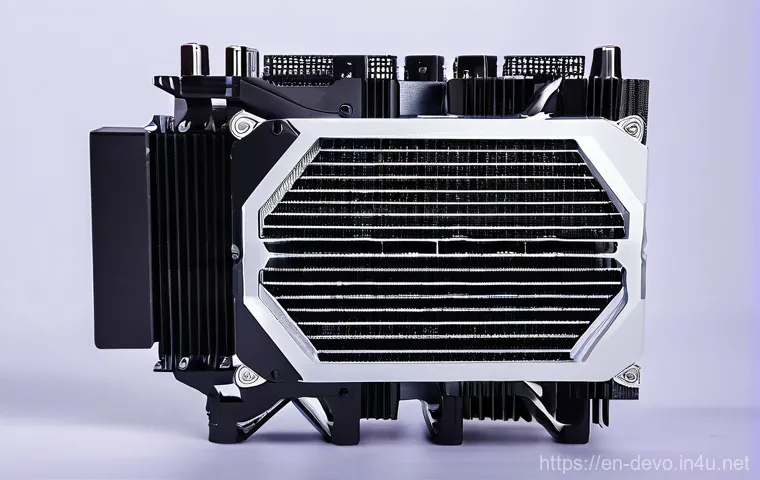
Good airflow is the cornerstone of effective cooling. You want to create a clear path for air to travel through your case: typically, cool air comes in through the front and bottom, gets pushed over your hot components (CPU heatsink, GPU), and then exhausted out the back and top. If your case is a tangled mess of cables or you have fans blowing in conflicting directions, you’re just recirculating hot air, which is counterproductive. I always spend a little extra time on cable management, not just for aesthetics, but because it significantly improves airflow. And speaking of fans, they’re dust magnets! I make it a point to regularly clean my case fans, CPU cooler fan, and GPU fans. You’d be amazed at how much dust can accumulate on those blades and heatsink fins, creating a thick insulating layer that drastically reduces cooling efficiency. A can of compressed air is your best friend here, but remember to hold the fan blades when you spray to prevent them from spinning too fast and potentially damaging the bearings. It’s a simple, quick chore that can prevent a world of pain and keep your temperatures in check.
Stepping Up to Liquid Cooling: Is It Right for You?
For many years, I was a staunch air-cooling enthusiast. I thought liquid cooling was just for extreme overclockers or people who wanted fancy RGB lights. But then, I tried an All-in-One (AIO) liquid cooler for my CPU, and I was genuinely impressed. While a high-end air cooler can certainly keep up with most CPUs, liquid cooling offers some distinct advantages. For one, it often allows for lower temperatures, especially under heavy, sustained loads. This means your CPU can maintain its boost clocks for longer, giving you better performance. Secondly, and perhaps surprisingly, a good AIO can actually be quieter than an air cooler, as the pump and larger radiator fans can run at lower RPMs while still dissipating heat effectively. The downside? They’re generally more expensive, and there’s a slightly higher (though still very low for AIOs) risk of leakage, though I’ve personally never experienced this. For open-loop custom liquid cooling, which I’ve only dabbled in, the performance gains are even greater, but the complexity, cost, and maintenance requirements jump significantly. It’s definitely not for everyone, but if you’re pushing your hardware to its limits or just want a cleaner, sleeker build, an AIO liquid cooler might be the perfect upgrade for your CPU.
RAMming It In: Memory Upgrades for Speed Demons
You know that feeling when you’ve got a dozen browser tabs open, maybe a game running in the background, and Photoshop fired up, and suddenly your computer feels like it’s trudging through mud? Yeah, that’s often your RAM crying for help. For a long time, I underestimated the impact of having sufficient and fast memory. I thought, “as long as I have enough, speed doesn’t matter that much.” Boy, was I wrong! My first experience with a proper RAM upgrade was moving from 8GB to 16GB, and the immediate difference in multitasking smoothness was astounding. It wasn’t just about having more; it was about the system not constantly having to swap data to the much slower storage drive, which is what happens when you run out of physical memory. This is one of those upgrades that might not give you a huge FPS boost in games like a graphics card would, but it dramatically improves the overall responsiveness and fluidity of your entire system. It’s like having a bigger, more efficient workspace for your computer’s brain (the CPU) to operate in. If you’re tired of slowdowns when juggling multiple applications, a RAM upgrade is often a surprisingly effective and relatively inexpensive solution.
Decoding RAM Specs: Speed, Latency, and Compatibility
Navigating the world of RAM can feel a bit like deciphering an ancient scroll, with terms like DDR4, DDR5, MHz, CL latency, and dual-channel. But trust me, it’s not as complex as it seems once you break it down. First, you need to know which generation your motherboard supports, usually DDR4 or the newer DDR5. You can’t mix and match them. Then comes speed, measured in MHz (megahertz). Generally, higher MHz means faster data transfer, which is great for performance, especially with modern CPUs. But here’s the kicker: latency, often expressed as CAS Latency (CL), also plays a huge role. This number tells you how many clock cycles it takes for the RAM to respond to a request. So, lower CL is better. Sometimes, slightly lower speed with lower latency can outperform slightly higher speed with higher latency. It’s a delicate balance! Most importantly, check your motherboard’s Qualified Vendor List (QVL) to ensure compatibility. Not all RAM sticks play nicely with all motherboards and CPUs, and picking modules from the QVL ensures you won’t have any frustrating boot issues or instability. I’ve been there, thinking any DDR4 would work, only to spend hours troubleshooting a system that wouldn’t post because the RAM wasn’t compatible.
The Sweet Spot: How Much RAM Do You Really Need?
This is the million-dollar question, and the answer really depends on what you’re doing with your computer. For general web browsing, email, and light productivity, 8GB of RAM is often the bare minimum, but honestly, it can feel a bit cramped. If you’re a gamer, especially with modern titles, 16GB is pretty much the sweet spot right now. It allows you to run most games smoothly, often with a few other applications open in the background, without hitting performance bottlenecks. My gaming rig runs 16GB, and I rarely feel limited. For content creators, video editors, graphic designers, or anyone running virtual machines or complex engineering software, 32GB or even 64GB might be a more appropriate investment. This provides ample headroom for massive files, multiple high-resolution assets, and complex rendering tasks. It’s also crucial to remember to install RAM in pairs (e.g., two 8GB sticks for 16GB total) to utilize dual-channel mode, which effectively doubles the memory bandwidth and offers a significant performance boost over a single stick. Don’t cheap out and get one large stick if your motherboard supports dual channel; that’s a common rookie mistake I almost made myself!
Wrapping Things Up
And there you have it, folks! We’ve journeyed through the intricate world inside your computer, from the silent workhorse of the PSU to the blazing speeds of NVMe storage, and touched upon the crucial role of cooling and memory. I genuinely hope this deep dive has demystified some of the complexities and empowered you to look at your machine not as a black box, but as a system you can truly understand and maintain. It’s an incredible feeling, I’ve found, to be in control of your tech, to diagnose a problem, or to plan an upgrade with confidence. Remember, every expert started as a beginner, and every piece of knowledge you gain makes you a more capable and resilient PC owner. Don’t be afraid to tinker, explore, and learn; your computer is a fascinating universe just waiting for you to discover its secrets!
Handy Tips to Keep in Mind
As you embark on your journey of PC mastery, or even just regular maintenance, there are a few golden rules and useful tidbits I’ve picked up over the years that I absolutely swear by. These aren’t just technical specs or upgrade paths; they’re the practical, real-world pieces of advice that genuinely make a difference in your day-to-day computing experience and the longevity of your beloved rig. Trust me, learning these lessons early on will save you a world of headaches and potentially a good chunk of change in repair costs!
1. Regular Cleaning is Non-Negotiable: Dust is the arch-nemesis of your PC’s cooling system. Over time, it builds up on fan blades and heatsink fins, acting like an insulating blanket that traps heat. Make it a routine to gently clean out your case with a can of compressed air every few months. I usually do it when I notice my temps creeping up, or even when I just feel like giving my system some TLC. It dramatically improves airflow and keeps those temperatures in check, helping your components live longer and perform better.
2. Back Up Your Data, Seriously: This isn’t just a “good idea”; it’s an absolute necessity. Hard drives and SSDs can fail, accidents happen, and software glitches can wipe out your precious files in an instant. Invest in an external hard drive or a cloud storage solution and back up your important documents, photos, and projects regularly. I’ve learned this the hard way after losing a semester’s worth of work once, and I vowed never again. It’s better to be safe than sorry, and a solid backup strategy is your ultimate peace of mind.
3. Monitor Your Temperatures: Overheating is a silent killer for PC components. Install a reliable monitoring software (like HWMonitor or MSI Afterburner for GPU temps) to keep an eye on your CPU and GPU temperatures, especially under load. Knowing your baseline temps helps you quickly identify when something’s wrong, like a clogged heatsink or a failing fan. I always make sure my CPU stays under 80°C and my GPU under 85°C during intense gaming sessions; if they start hitting those limits, it’s a clear sign for me to investigate my cooling setup.
4. Keep Your Drivers Updated: Drivers are the software that allows your operating system to communicate with your hardware. Outdated or corrupted drivers can lead to performance issues, crashes, or even security vulnerabilities. Regularly check for updates for your graphics card, motherboard chipset, and other critical components directly from the manufacturer’s websites. While Windows does a decent job, getting the latest drivers directly from NVIDIA, AMD, or Intel often yields better performance and stability. It’s a quick fix that can often resolve mysterious issues.
5. Don’t Fear the Manual: Your motherboard manual is a treasure trove of information that far too many people overlook. It contains detailed diagrams of every header and slot, explains BIOS settings, and lists compatible components. Whenever I’m installing a new part or troubleshooting a strange issue, my motherboard manual is the first place I turn. It’s like having a personalized instruction guide for your specific system, and it can answer most of your questions without needing to scour forums or YouTube tutorials. Seriously, keep it handy!
Key Takeaways
Reflecting on our journey through the essential anatomy and care of your PC, a few fundamental principles consistently emerge as cornerstones of a great computing experience. Firstly, understanding the roles of your components isn’t just for tech geeks; it’s a powerful tool that transforms you from a passive user into an informed owner. This knowledge empowers you to make smarter upgrade decisions, troubleshoot effectively, and get the most out of your investment, rather than just relying on guesswork or costly professional help. Think of it as truly taking the reins of your digital life.
Secondly, proactive maintenance isn’t a chore; it’s a critical investment in your system’s longevity and performance. Simple acts like regular cleaning, monitoring temperatures, and keeping software updated can prevent major headaches and extend the life of your expensive components significantly. It’s the difference between a smooth-running machine that reliably serves your needs for years, and one that constantly battles slowdowns or succumbs to unexpected failures. I’ve personally seen the benefits of a little preventative care save friends hundreds of dollars in repairs, and honestly, that peace of mind is priceless.
Finally, remember that the world of PC hardware is constantly evolving, and there’s always something new to learn. Embrace the process of discovery, experiment cautiously, and enjoy the satisfaction that comes with mastering your machine. Whether you’re building your first PC or just looking to squeeze more life out of an old favorite, approaching it with a sense of curiosity and a willingness to learn will not only make you a better troubleshooter but also enhance your overall enjoyment of technology. Happy computing, everyone!
Frequently Asked Questions (FAQ) 📖
Q: With all the incredible advancements in
A: I diagnostics and remote support, why should I still bother learning hands-on computer hardware maintenance? Aren’t these tools just going to do it all for me?
A1: That’s a fantastic question, and one I hear a lot these days! It’s true, AI and remote solutions are game-changers for diagnosing problems, but here’s the thing: they can’t physically replace a component, reseat a RAM stick, or clean out a dust-choked fan.
My own experience tells me that while AI can tell you what’s wrong, you still need someone with the practical know-how to actually fix it. Think of it like a doctor; they can diagnose an illness, but a surgeon is still needed for the operation.
Learning hands-on maintenance empowers you. It gives you an indispensable skill set that makes you truly self-reliant. Plus, there’s an immense satisfaction in bringing a sluggish machine back to life with your own two hands, preventing issues before they even start.
Trust me, being the person who can solve a real-world hardware problem, even with all the tech in the world, is an incredibly valuable and deeply rewarding feeling.
It also saves you a ton of money on repair shop fees!
Q: What kind of common computer issues can I realistically expect to fix myself once I start learning hardware maintenance? I’m not looking to build a supercomputer, just keep my current setup running smoothly.
A: You’re in luck because the vast majority of common computer issues are surprisingly fixable with a bit of knowledge and the right tools! From my personal journey, I’ve found that tackling things like slow performance due to dust buildup, overheating components, or even simple connectivity problems for peripherals becomes second nature.
We’re talking about things like upgrading RAM for a speed boost, replacing a failing hard drive with a zippy SSD, troubleshooting power supply issues, or even diagnosing why your monitor suddenly went blank.
I’ve personally helped countless friends and family members avoid costly repair bills by showing them how to identify and fix these kinds of everyday problems.
It’s not about being a certified genius; it’s about understanding the basics of how components interact and being confident enough to open up your case.
You’ll be amazed at how many “major” problems are actually minor fixes once you know what you’re looking for.
Q: I’m intrigued! Where’s the best place for a complete beginner to start learning computer hardware maintenance?
A: re there any specific resources or certifications you’d recommend looking into first? A3: If you’re feeling that spark of curiosity, then you’re already halfway there!
For a complete beginner, I always recommend starting with a foundational certification like CompTIA A+. Now, before you think “certification sounds scary,” hear me out!
It’s actually a fantastic, structured way to learn everything from the ground up – from identifying components to understanding operating systems and troubleshooting methodology.
Beyond certifications, there are tons of incredible online resources. YouTube channels dedicated to PC building and repair, reputable tech blogs, and even online courses (both free and paid) can be goldmines.
What I’ve personally found most effective is a combination: read up on a topic, watch someone do it, and then try it yourself on an old, non-essential PC if possible.
Don’t be afraid to experiment! The goal is to build confidence and get comfortable with the physical aspects of the machine. Remember, everyone starts somewhere, and the most important step is just to begin.
You’ll be a hardware hero in no time!